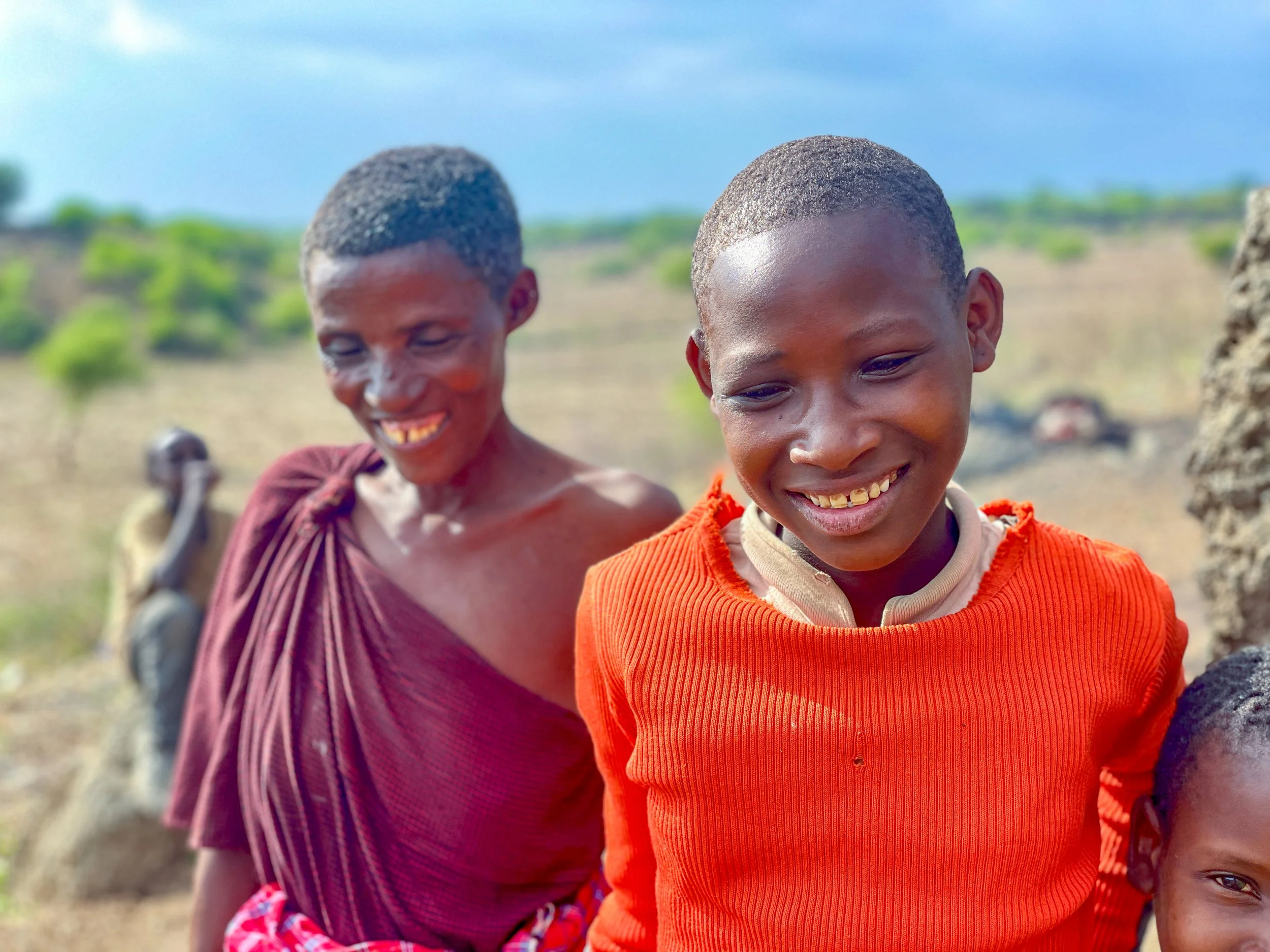
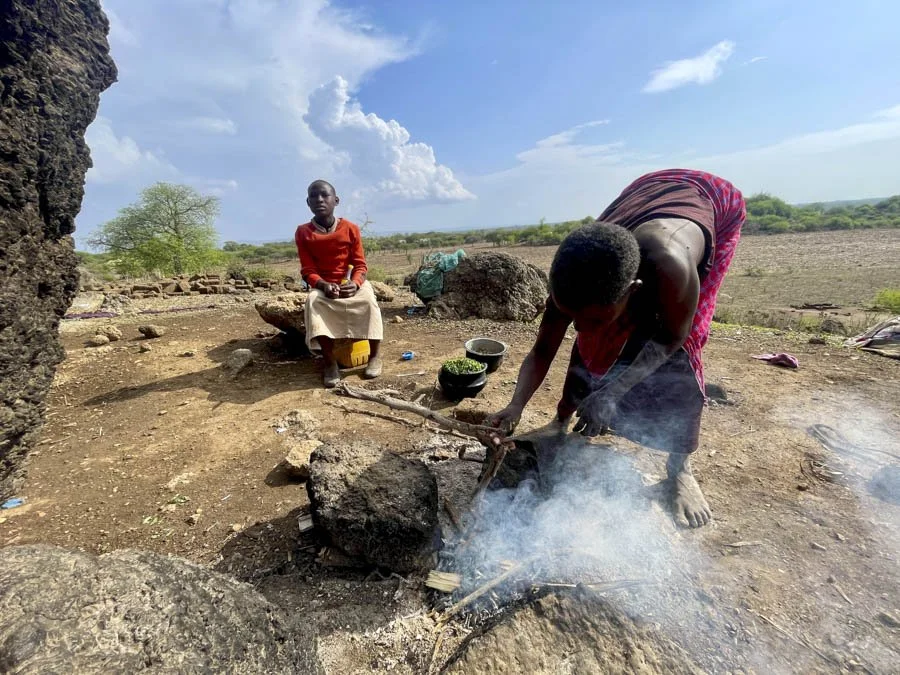
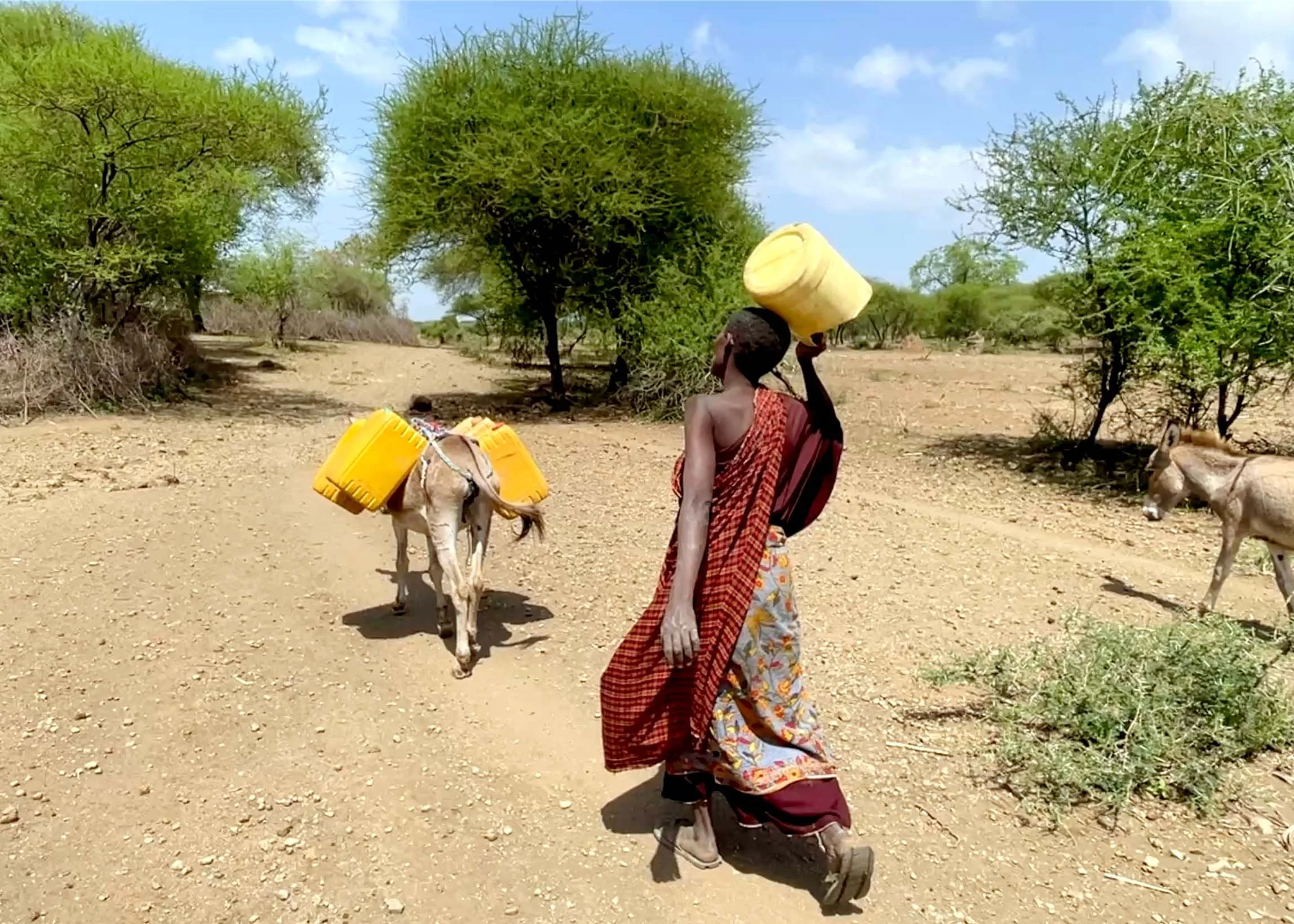
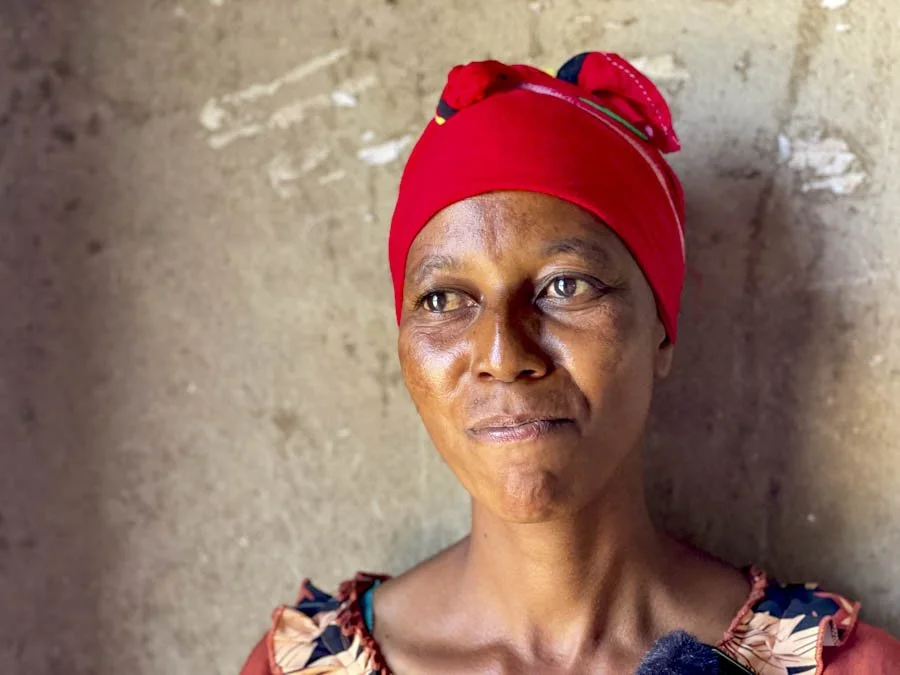
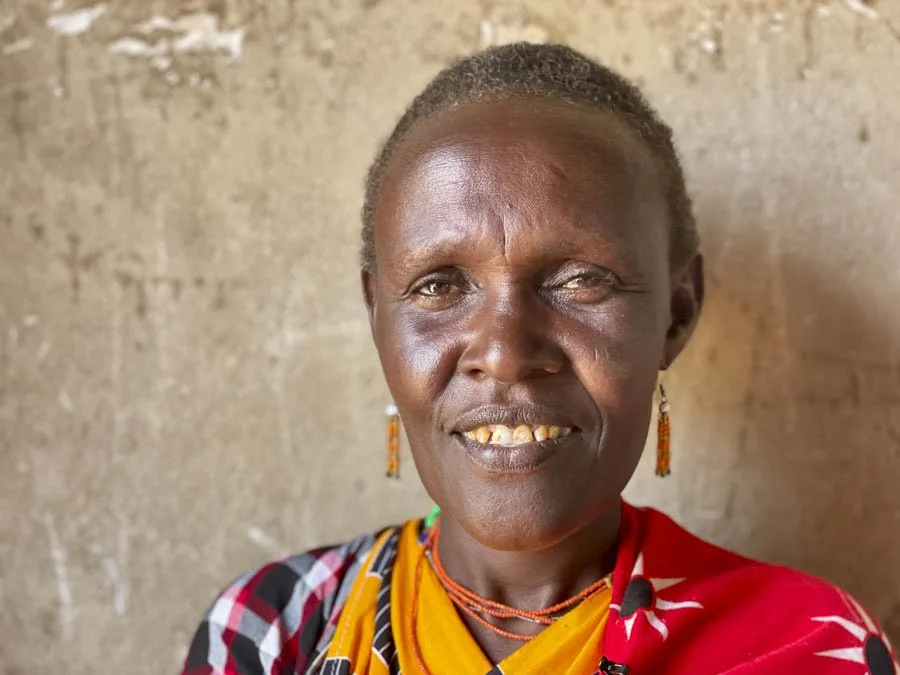
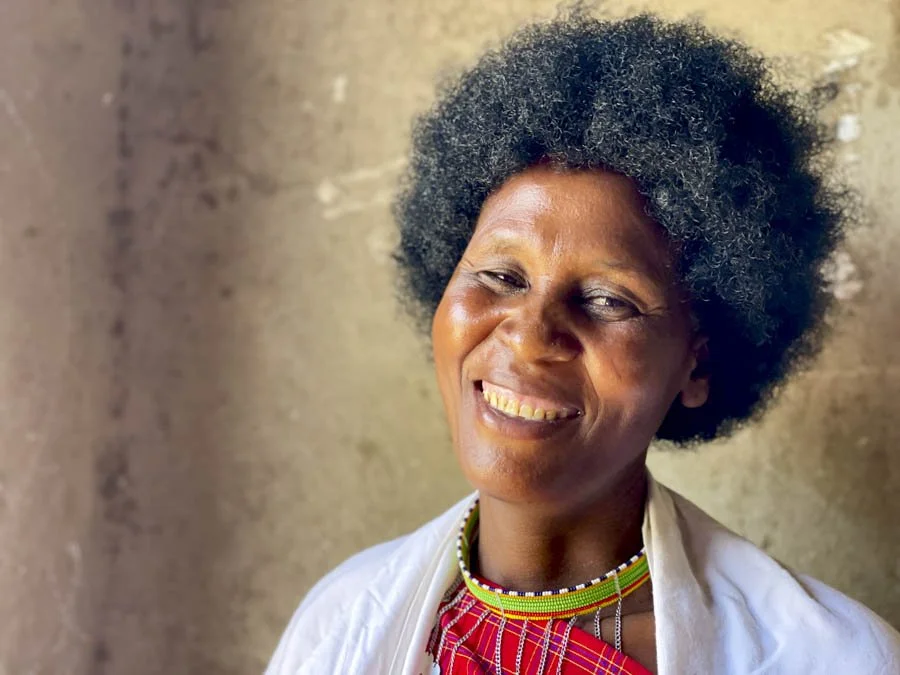
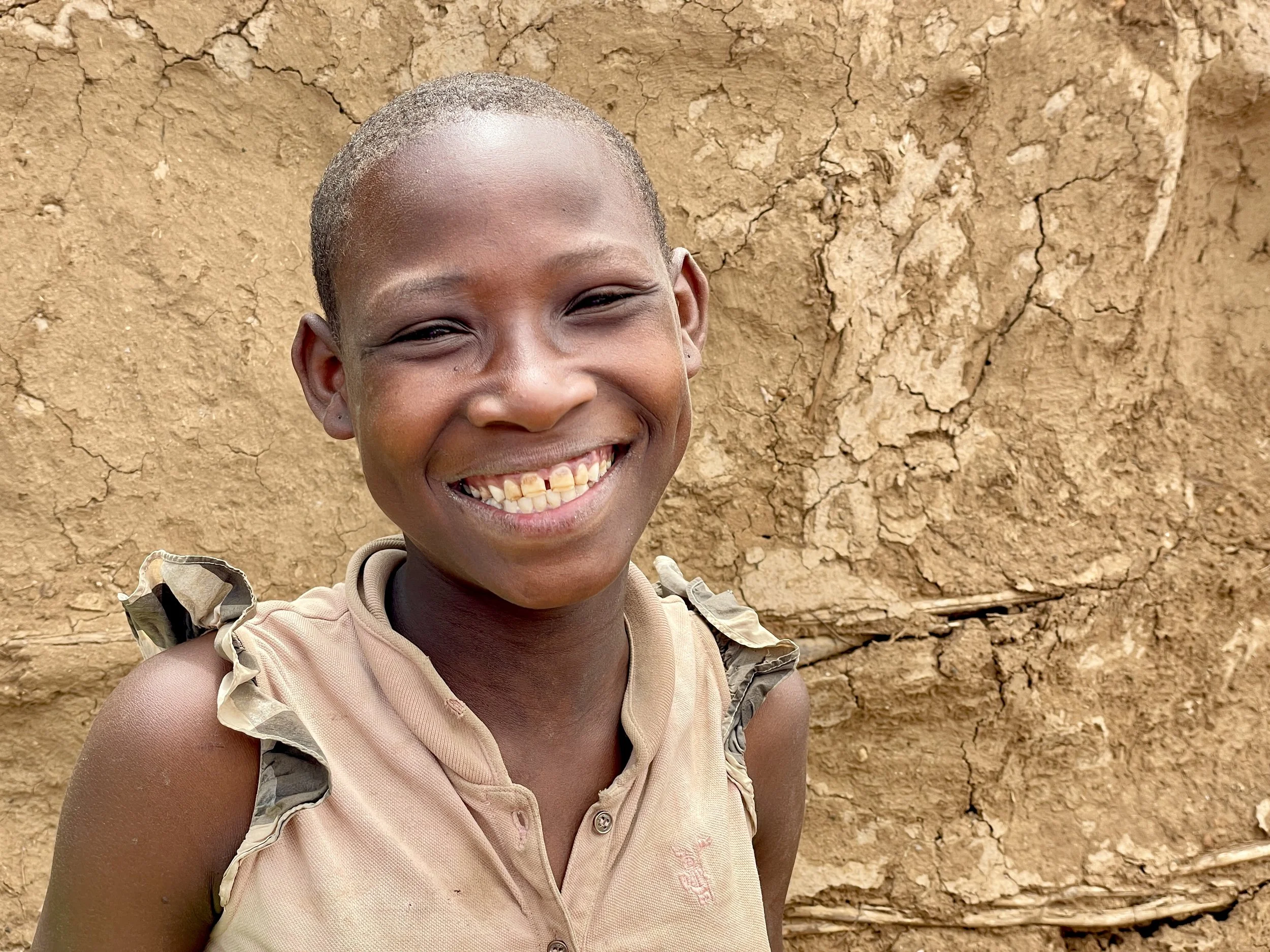
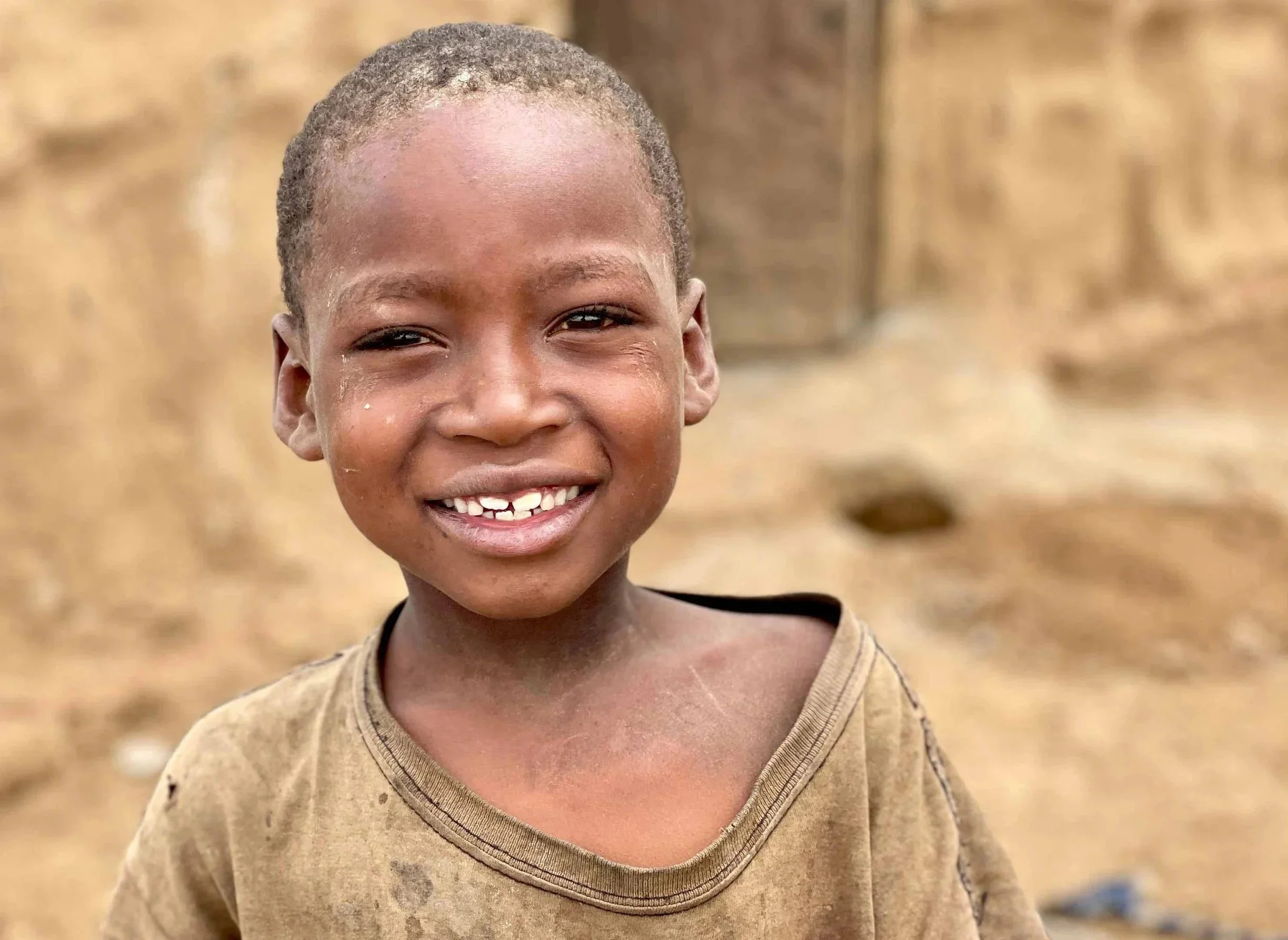
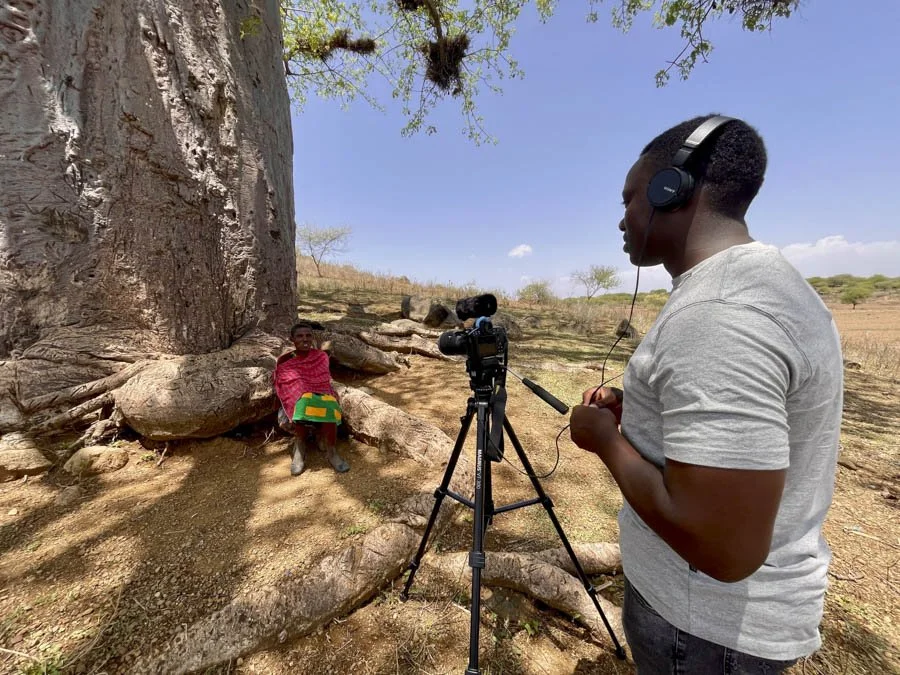
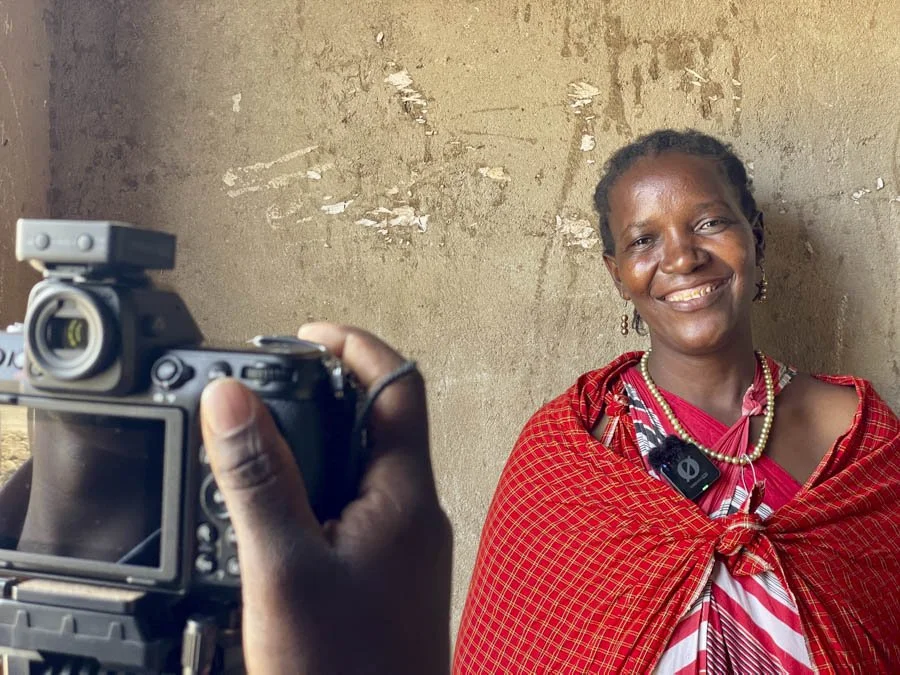
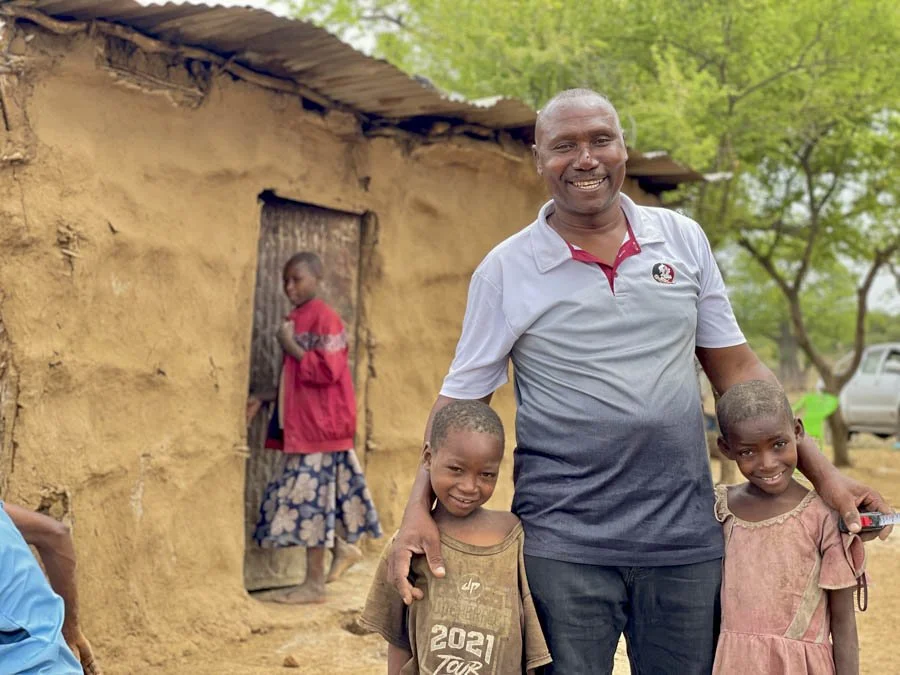
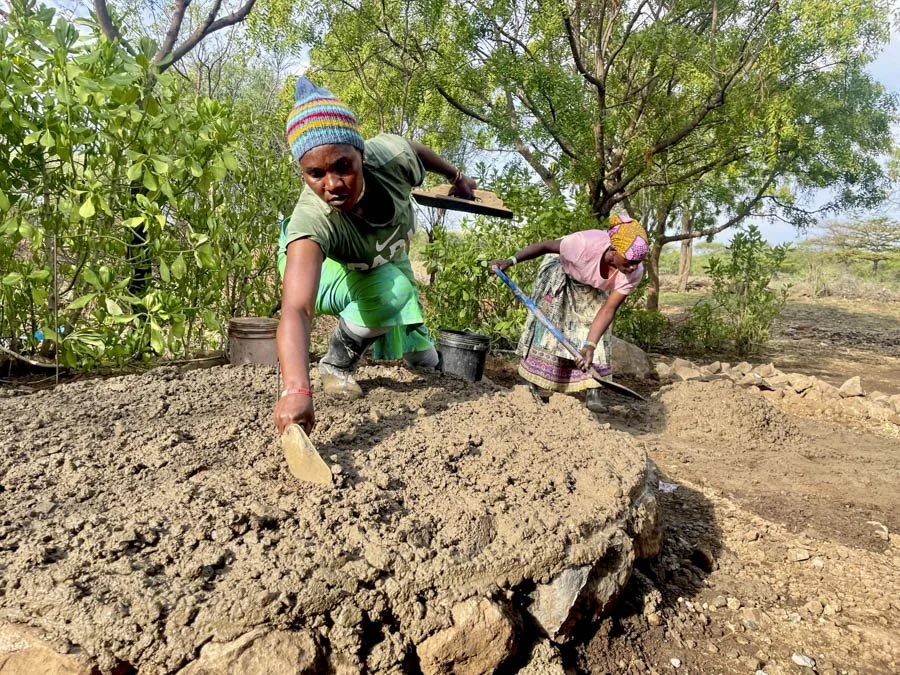
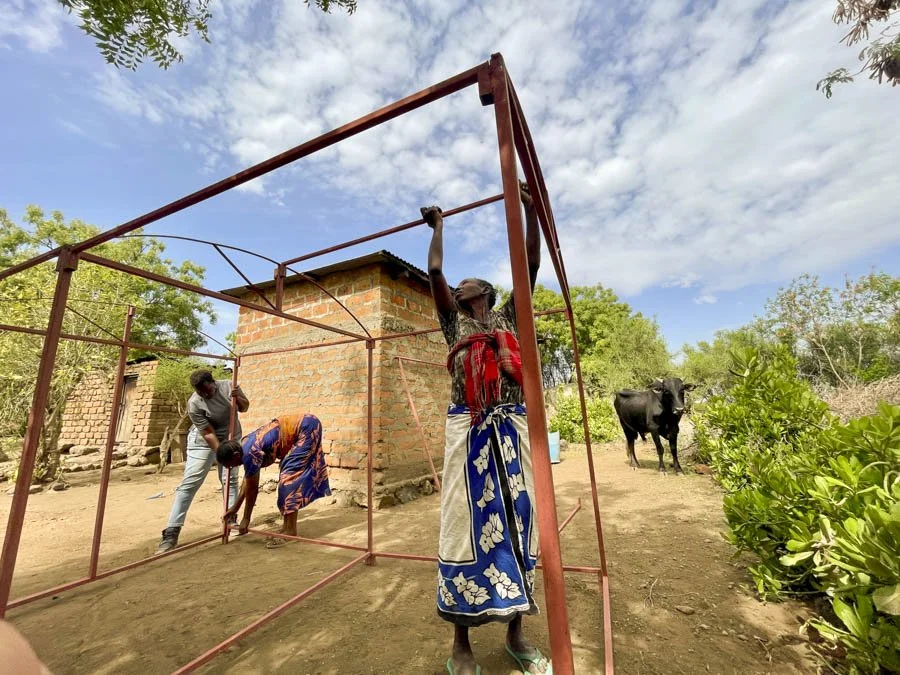
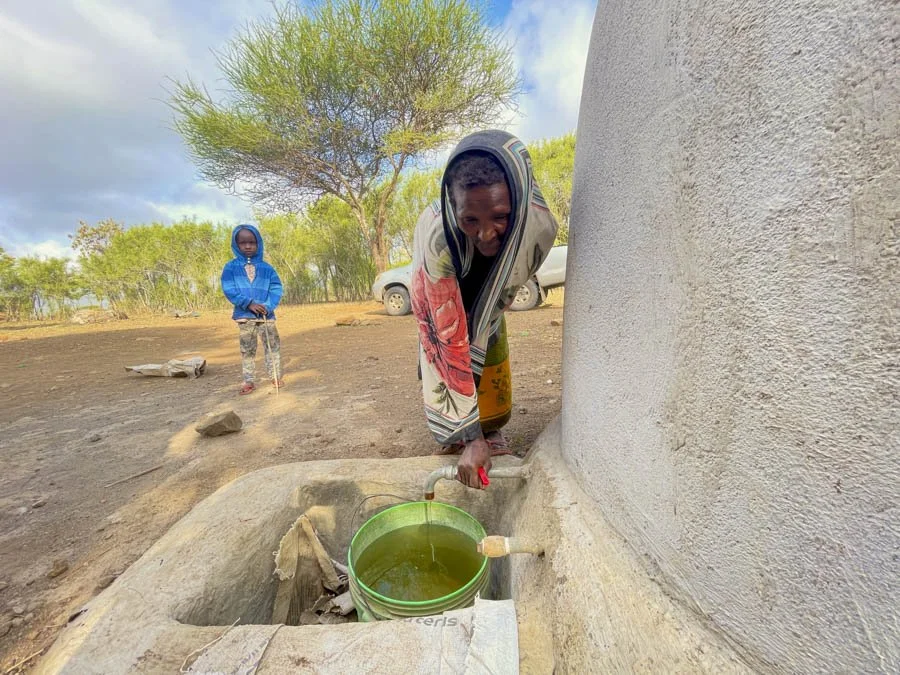
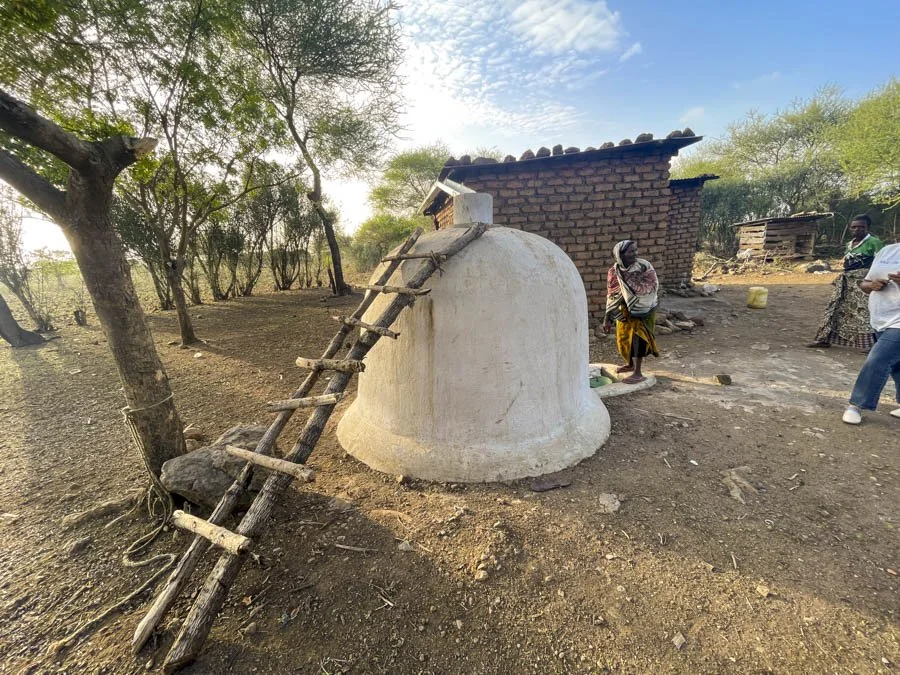
I traveled to Tanzania in 2026 to learn about the work of Save the Rain, a California/Tanzania-based organization that partners with remote communities in the arid lands surrounding Mt. Meru to build rainwater collection systems on homes and primary schools, providing generations of communities with clean, safe drinking water. Since 2005, they have built rainwater collection systems at 365 schools, provided thousands of families with clean water at home, and trained nearly 3,000 women in tank construction through their Women’s Water Initiative. That initiative teaches local women to construct 3500-liter rainwater harvesting systems and family greenhouses on homes. The tanks take the women one week to build, have a multigenerational impact, and are cost-effective. To date, they have built over 6500 systems; before having their rainwater harvesting systems installed, 63% of those women walked 3 to 6 hours per day for water. The other 37% spent more than 10 hours a day searching for enough to meet their family’s needs. Now, none of them needs to go further than her backyard.
Save the Rain likes to say that the beauty of their solution is that it falls freely from the sky. After spending a week with the organization, it was easy to see that the beauty of their solution also lies in the way their process creates profound shifts in the sense of agency and hope in the women who build their household rainwater tanks through the Women’s Water Initiative. When Save the Rain enters a community, they come with six trained women builders who then train approximately 25 local women to construct the first 50 residential systems through paid employment. Then, from that pool of original trainees, Save the Rain selects those who are most passionate about the work to join the team and continue to build systems for more families in their village, selecting new recipients, monitoring tank quality, acting as advocates for neighbors in need and being responsive to any issues that need to be solved. Some of those women will later join the permanent team that moves from village to village, training more people.